
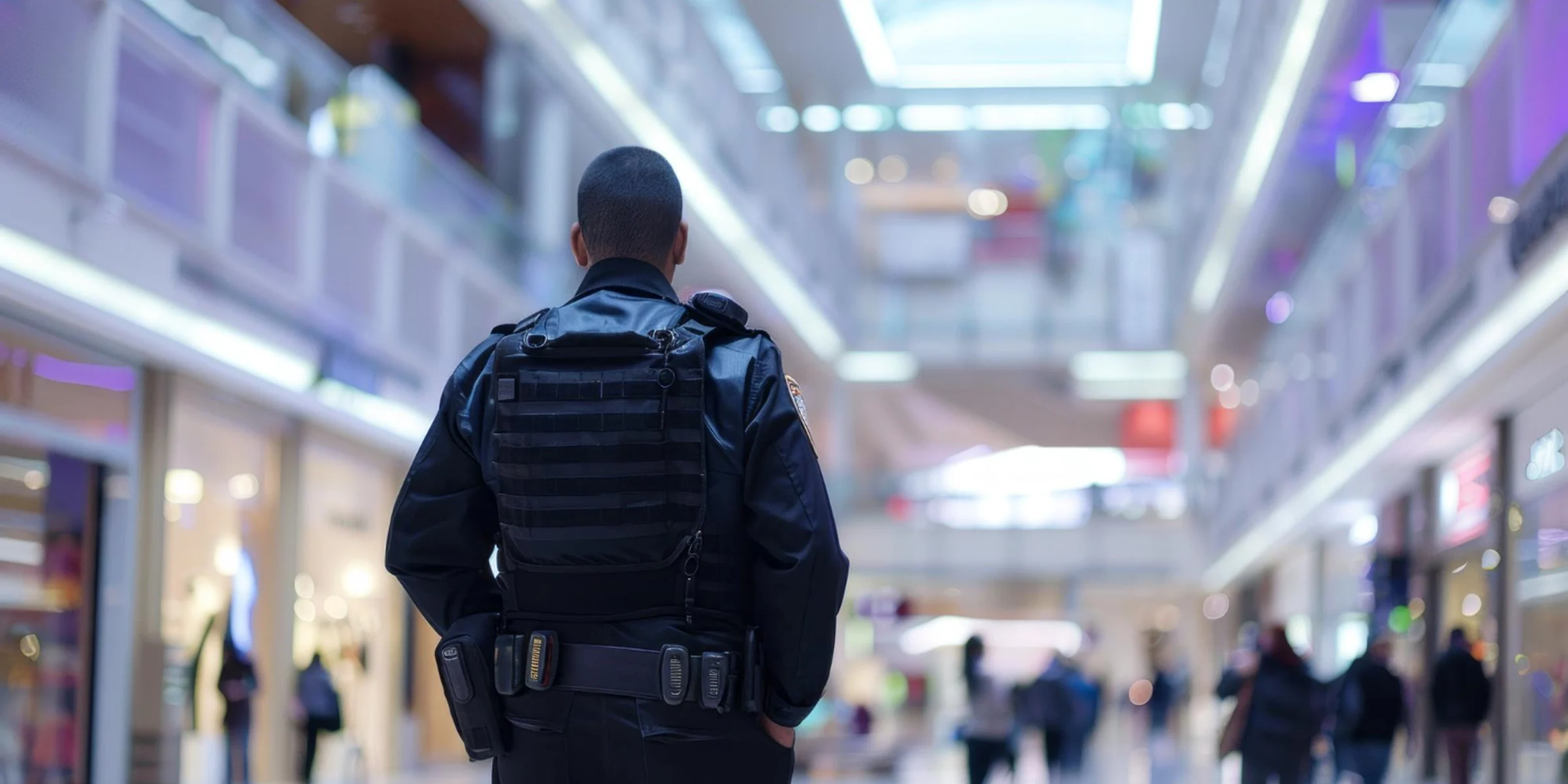
Shopping mall is a hub of activities with massive footfall of visitors on a day-to-day basis. With entertainment areas, restaurants, with the result of complex security issues. Shopping mall usually turns into the focal point for criminal activities such as theft, vandalism and so on. Guard patrolling plays an essential part in safeguarding shopping malls and retail areas, enhancing security over normal surveillance or mere individual security personnels.
In this blog we are going to discuss how guard patrol systems in malls assist in building a robust security system.
Understanding Guard Patrol System
Guard patrol system, also called guard tour patrol systems or guard tour system solutions, are computer-based systems used for managing, monitoring, and streamlining the patrol schedules.
The Key Elements of Guard Patrol Systems are:
Patrol Checkpoints – Strategically located checkpoints in or near a retail property. These can be RFID tags, QR codes, NFC tags, or smart beacons that officers read when patrolling.
Checkpoint Readers – Mobile or handheld devices for security personnel to read the checkpoint markers. These can be ruggedized handhelds or smartphones with the necessary sensors/apps.
Software Platform – Security patrol software at the core of these systems that captures data from checkpoint scans, timestamps the visits, marks missed points, and provides reports.
Admin Dashboard – A management center where supervisors may view patrol progress in real time, view completed routes, look for exceptions, and access reports for analysis and compliance.
Why Retail & Shopping Malls Need Patrol Systems?
Shopping malls and retail stores create special security challenges:
Large Number of Visitors & Open Floor Plans: With hundreds or thousands of shoppers roaming through every day, blind spots and unmonitored areas are of increased risk.
Multiple Entries: Doors, exits, service corridors, backrooms, even roofs—must have methodical monitoring.
Theft of Merchandise & Shrinkage: Inventory loss is a significant issue. Visible, uniform security presence monitored by guard tour patrol systems can discourage would-be shoplifters.
Safety & Emergency Response: In the event of emergencies like fire, medical emergencies, or bomb alerts, having assurance that security personnel are available at certain check points.
Operational & Liability Compliance: Operators have to comply with insurance and regulatory needs—routine, recorded patrols assist in proving due care and operating strictness.
Core Features of Contemporary Guard Patrol Systems
Contemporary guard tour patrol systems and security guard checkpoint systems feature numerous sophisticated features:
1. Real-Time Monitoring & Alerts
Commanders have a live view of patrol execution via the admin dashboard and immediate alerts in case a guard skips a checkpoint, is delayed, or abruptly halts. This enables immediate corrective measures and reallocation of tasks.
2. GPS & Geofencing
Mobile applications with GPS monitor officer locations and make sure they’re in the right zones—not merely scanning tags at access or lodgement points. Geofence boundaries send arrival or departure notifications when guards enter/leave specific areas.
3. Digital Reporting & Analytics
Automated patrol logs, such as date/time/person/round information, are stored permanently. Reports map patrol frequency, determine weak points where guards regularly omit checkpoints, monitor response times to incidents, and compare shift performance.
4. 2-Way Communication & Incident Capture
Several platforms have built-in chat or alert functionality. Guards can report incidents immediately, take photos, record statements, and pass up issues—this intrinsic communication feature enhances coordination.
5. Integration with Other Systems
Today’s security suites usually support integration with CCTV, access control, fire alarm, or building management system (BMS). At the time of alarm, integration can invoke guards to patrol to particular checkpoints directly and record the step via the guard tour system.
Benefits for Shopping Malls & Retail Environments
Using the strength of mall guard patrol systems can provide several benefits. The different advantages are as follows-
i. Increased Determent and Visibility
A visible, traceable guard presence is an effective deterrent against burglary, vandalism, or unauthorized entry. Security gains increased credibility when patrol data is digital and open.
ii. Increased Coverage & Less Human Error
Automated checkpoint auditing guarantees no zone is overlooked—accidentally or otherwise. Inadvertent stops, delayed rounds, and redundant visits are all reported and audit-trailed.
iii. Quicker Incident Response
GPS tracking, real-time monitoring, and built-in alerts allow management to send help where help is needed most—to a suspicious activity at a loading dock, a medical issue at a restroom area, or crowd management following an unforeseen surge.
iv. Accountability & Compliance
With security patrol software, mobile device patrol logs become tamper-evident. Malls are able to prove compliance with safety procedures, insurance requirements, and local regulations, lowering liability in the event of an accident or dispute.
v. Operational Optimization & Cost Efficiency
Analytics reveal areas of inefficiency- which areas require more regular patrolling, areas of underutilized guard coverage, or times of day that are most at risk. Effective deployment saves labor expense, enhances scheduling, and makes sure that resources are utilized effectively.
Future Trends in Retail Patrol Technology
Guard patrol systems are changing quickly ahead of time:
AI-based Patrol Optimization: Utilizing data analytics and AI for optimizing patrol routes automatically using historical incident footprint, density of foot traffic, and peak hours.
Computer Vision Integration: Combining CCTV with analytics for auto-detection of abnormalities (e.g., loitering, crowd build-up) and redirecting guards in advance.
IoT & Environmental Sensors: Connecting sensors—such as smoke, glass-break, or motion detectors—to patrol checkpoints ensures that guards receive alerts only when human validation is needed.
Wearables & Biometric Checkpoints: Biometric scanners or smartwatches could simplify checkpoint capture—guards only have to look close to beacons, which could make patrols more efficient.
Cloud & Mobile-First Platforms: All accessible on the move, with mobile alerting and dashboards available on tablets, enhancing mobility and scalability.
Conclusion
In the challenging retail environment where theft, emergencies, and compliance converge, guard patrol systems such as guard tour system, security patrol software, guard tour patrol system, and security guard checkpoint system become essential tools. They provide real-time visibility, make operations efficient, and ensure the protection of people and assets.
For stores and malls, these technologies convert security patrols from static, paper-based processes to active, data-driven processes. The outcome is a more secure place, quicker response times to incidents, accountability that meets stakeholders’ needs, and cost-effective security coverage. With evolving technology through AI, IoT, and cloud platforms, the future generation of security guard checkpoint system tools will continue to enhance predictive security, guarantee more automation, and render guarding as smart, proactive, and accurate in its effectiveness.